How to unclog a shower drain, it’s a question every homeowner will ask at some point. Whether it’s hair, soap scum, or grime buildup, a clogged shower drain is more than just an inconvenience. Left untreated, it can lead to slow draining water, bad smells, and even damage to your plumbing system.
In this guide, we’ll break down 3 simple, research-backed methods to get your drain flowing freely again, without always needing a plumber. These methods are tried, tested, and used by both homeowners and professional cleaners alike.
Whether you want a DIY fix with baking soda and vinegar, or you’re considering a specialized drain snake, you’ll find exactly what works, and why.
Let’s dive in.
Method 1: Remove Hair and Gunk Manually
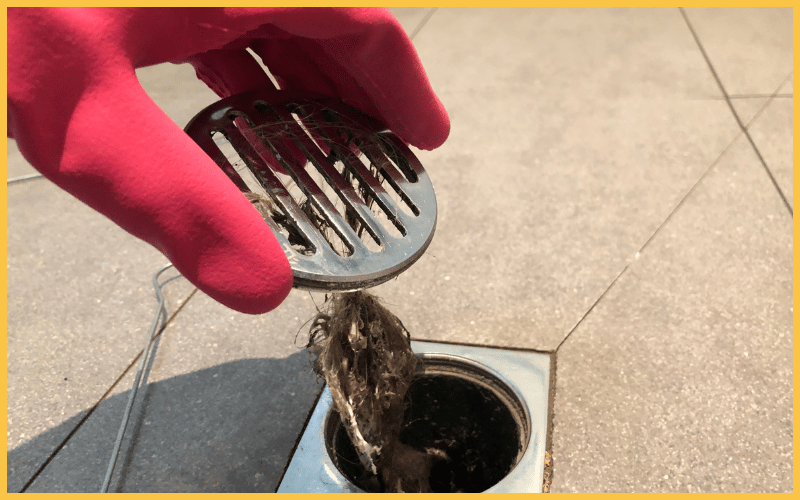
The most common cause of a clogged shower drain? Hair. Especially in homes with long-haired family members or pets, it’s easy for strands to build up over time. When mixed with soap scum, it forms a stubborn blockage that slows down water flow.
If you want to learn how to unclog a shower drain effectively, start here: manual removal. It’s the most straightforward method and often solves the problem instantly.
What You’ll Need:
- Rubber gloves
- Drain snake or plastic hair removal tool
- Flashlight
- Old towel (for cleanup)
Step-by-Step Instructions:
- Remove the Drain Cover
Most shower drains have a cover you can simply lift or unscrew. Use a screwdriver if needed. Be gentle to avoid damaging the finish. - Use a Drain Snake or Hair Tool
Insert the tool into the drain slowly. Twist and push to catch hair, then pull it out carefully. You might need to repeat this several times if buildup is severe. - Flush the Drain with Hot Water
Once you’ve removed the hair, run hot water to push any remaining debris down the line. This step helps loosen any lingering gunk and confirms if the clog is gone. - Clean and Replace the Drain Cover
Wipe the cover before placing it back. If you removed a lot of grime, consider soaking the cover in warm, soapy water before reinstalling.
Pro Tip:
Use this method regularly, even before you notice slow drainage. It’s one of the best preventative bathroom drain cleaning habits you can build.
Manual hair removal might not be the most glamorous task, but when it comes to how to unclog a shower drain, it’s fast, cheap, and effective.
Method 2: Use Baking Soda and Vinegar (Natural & Effective)

If you’re looking for a non-toxic, eco-friendly way to unclog your shower drain, this method is your go-to. It’s one of the most popular solutions for homeowners in Houston and beyond, and for good reason. It’s safe, simple, and surprisingly powerful.
Why It Works:
The combination of baking soda (a mild alkali) and vinegar (a weak acid) creates a fizzing reaction that helps dislodge grime and minor blockages. This chemical reaction can break down gunk caused by soap scum, grease, and hair buildup.
What You’ll Need:
- ½ cup baking soda
- 1 cup white vinegar
- Boiling water
- A drain plug or cloth
- Gloves (optional)
Step-by-Step Instructions:
- Pour Baking Soda into the Drain
Start by removing the drain cover. Pour the baking soda directly into the drain. Try to get it as deep as possible for maximum effectiveness. - Add Vinegar and Plug the Drain
Slowly pour the vinegar into the drain, then quickly cover it with a plug or a damp cloth. This forces the fizzing reaction to move downward into the pipe rather than bubbling up. - Wait 15–30 Minutes
Give the solution time to do its job. During this time, it breaks apart light clogs and softens buildup. - Flush with Boiling Water
Carefully pour boiling water down the drain to wash away the loosened debris.
This method is highly recommended by professional cleaners and plumbing experts as a first-response fix before reaching for harsher chemicals or calling in a pro.
Pro Tip:
Repeat this process monthly as a preventative maintenance step. It’s gentle on your pipes and keeps your shower drain fresh and flowing.
If you’re still wondering how to unclog a shower drain without harsh chemicals, this is your answer, especially for families with pets or kids in the home.
Method 3: Use a Plunger or Wet/Dry Vacuum
If you’ve already tried removing hair or using natural drain cleaners but the clog persists, this third method could be the solution. A plunger or wet/dry vacuum can help dislodge blockages deeper in the pipe by creating strong suction or pressure.
What You’ll Need:
- Cup-style plunger (for flat drains)
- Wet/dry shop vacuum (with a hose attachment)
- Petroleum jelly (optional for better plunger seal)
- Towels for cleanup
Step-by-Step Instructions:
Using a Plunger:
- Seal the Overflow Drain (if present)
Use a damp cloth or duct tape to seal off the overflow drain so suction remains focused. - Apply Petroleum Jelly to Plunger’s Rim
This improves the seal and maximizes pressure. - Plunge Firmly 10–15 Times
Push down and pull up forcefully to move the clog. You may hear water draining, this is a good sign!
Using a Wet/Dry Vacuum:
- Set the Vacuum to ‘Liquid’ Mode
Place the hose over the drain and create a tight seal using a wet cloth. - Turn on High Power for 20–30 Seconds
The vacuum will try to suck out the clog. Check the canister afterward, you might be surprised by what it pulls up.
Pro Tip:
While it’s not always necessary, this method is often the last step before calling a plumber. If none of the above methods work, the clog may be deep in the main line.
Still wondering how to unclog a shower drain when nothing seems to work? It might be time to bring in a professional cleaner or plumber for a deeper inspection.
Final Thoughts
Clogged shower drains are annoying, but with the right tools, a little knowledge, and regular maintenance, you can handle most clogs without the stress.
Here’s a quick recap on how to unclog a shower drain:
- Method 1: Remove hair and debris manually (best for visible clogs)
- Method 2: Use baking soda and vinegar (perfect for regular upkeep)
- Method 3: Try a plunger or wet/dry vacuum (for tougher blockages)
At Hellamaid, we not only offer professional home cleaning in Houston, Austin, San Antonio, Fort Worth, and Dallas, but we also help educate homeowners on how to keep their homes healthy and hassle-free.
Need a deeper clean or want to book a trusted cleaner who understands your bathroom’s needs? Contact Hellamaid today, your local expert in spotless living.