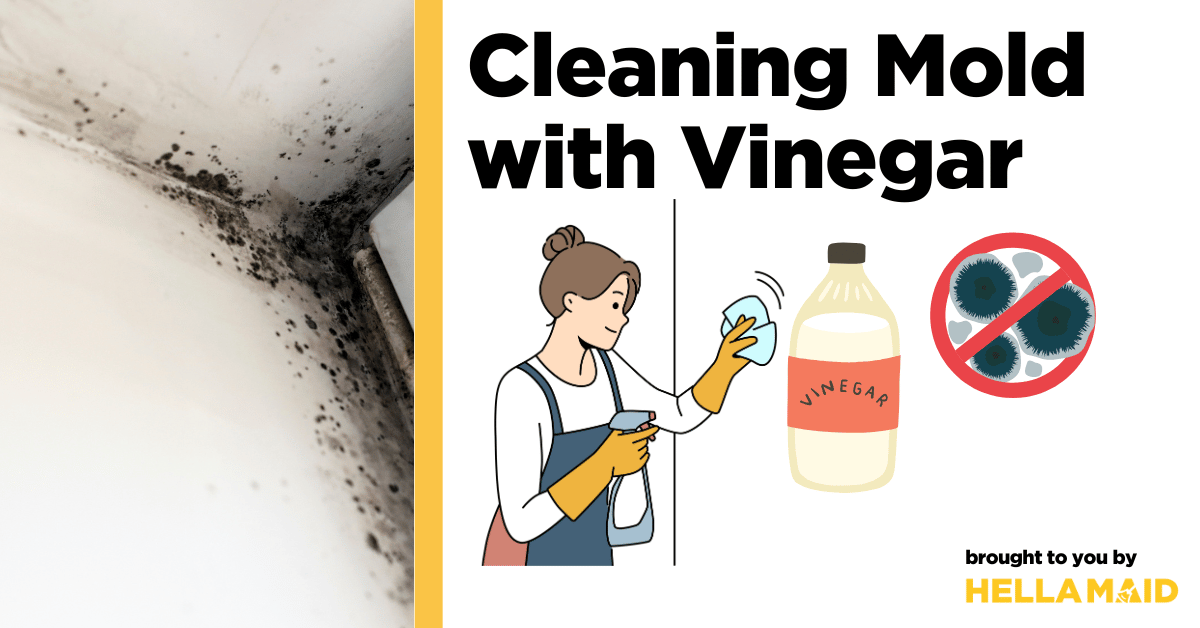
Cleaning mold with vinegar is one of the safest, most affordable, and eco-friendly ways to fight household mold. But does it really work? And what’s the right method to get results without causing damage or spreading spores?
If you’ve ever Googled, “Can I leave vinegar on mold overnight?” or wondered, “Does white vinegar kill mold on walls or showers?”, you’re not alone. Mold is a common issue, especially in humid areas like Houston, Austin, or San Antonio, and many homeowners are looking for non-toxic solutions that actually work.
In this guide, we’ll break down 7 proven steps for using vinegar to kill mold effectively, based on real research, expert cleaning practices, and what we do at Hellamaid when tackling tough spots in client homes.
Let’s get into it so you can breathe easier, live healthier, and clean smarter.
Step 1: Gear Up and Protect Yourself
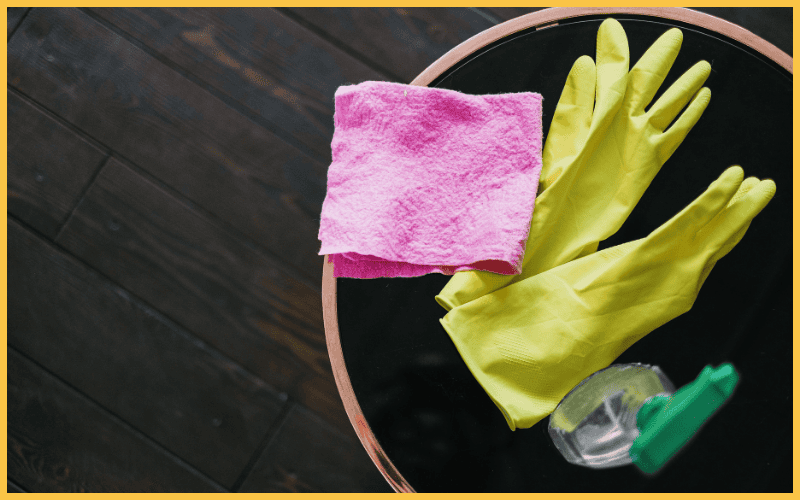
Before you even open the vinegar bottle, take precautions. Mold releases spores that can irritate your lungs, eyes, and skin, so safety is step one.
Here’s what you need:
- Rubber gloves
- Eye protection
- A face mask (N95 if possible)
- Ventilation: open windows and use fans
Whether you’re cleaning a bathroom ceiling or a damp basement, wearing protective gear reduces your exposure and makes the process safer.
If you’re wondering “can I leave vinegar on mold overnight?”, the answer is yes, but only if it’s done safely and in a controlled environment with proper airflow.
Step 2: Choose the Right Vinegar
Not all vinegars are created equal when it comes to mold removal. For effective results, use undiluted white distilled vinegar with at least 5–6% acetic acid.
- Why? That concentration is strong enough to kill around 80–85% of mold species found in homes.
- Does white vinegar kill mold? Yes, according to studies and EPA-recommended practices, white vinegar is one of the few natural solutions proven to reduce mold growth without harsh chemicals.
Pro Tip: Don’t dilute it with water, or it may lose effectiveness. For cleaning mold with vinegar to truly work, use it straight from the bottle.
Step 3: Spray Directly and Saturate the Moldy Area
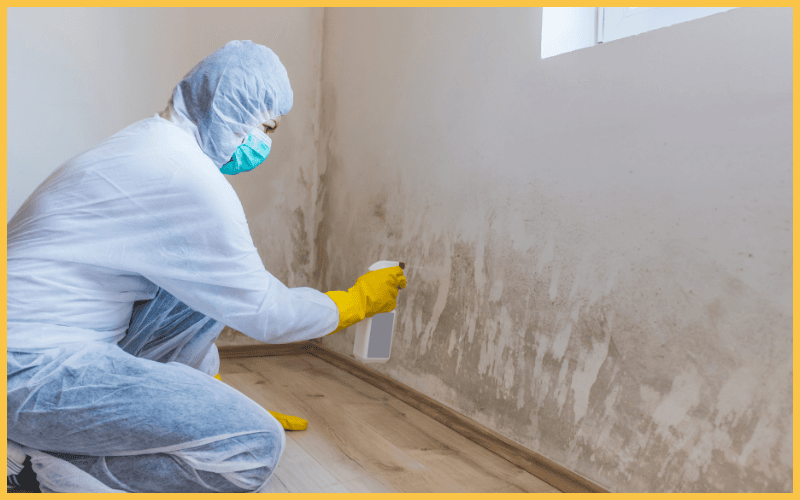
Once you’ve got your vinegar ready, pour it into a spray bottle and apply it directly onto the moldy surface, tiles, walls, ceilings, or even clothing.
- Spray until the area is fully saturated
- Let the vinegar sit for at least 60 minutes, this contact time is critical
- Don’t rinse right away, let it dry naturally if possible
This is where the popular question, “Will vinegar kill mold if I leave it overnight?” comes in. Yes, leaving vinegar overnight on mold can increase its effectiveness, especially on porous materials like drywall or grout.
Step 4: Scrub the Area After Soaking
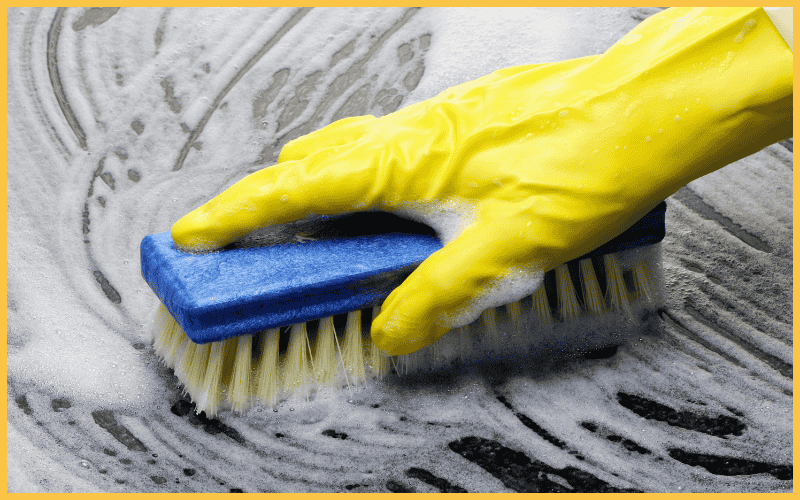
After the vinegar has had time to break down the mold, especially if you left it overnight, it’s time to remove the visible growth.
Use:
- A stiff-bristled brush for tile or grout
- A soft brush or cloth for drywall or painted surfaces
- An old toothbrush for corners and tight spaces
Be thorough, but don’t scrub too aggressively on delicate materials. You want to lift the mold, not spread spores around.
If you’re still asking, “Will vinegar kill mold completely?”, the answer is that it kills most common surface mold. But physical removal is key to ensuring it doesn’t grow back.
Step 5: Don’t Rinse – Let the Vinegar Finish the Job
It’s tempting to rinse away the smell right after scrubbing. But here’s the trick: don’t rinse with water immediately.
Why?
- Vinegar leaves a mild acidic residue that helps prevent mold regrowth
- The smell will naturally dissipate as it dries
- Mold spores are less likely to return if the surface remains slightly acidic
Many homeowners ask, “Does white vinegar kill mold on contact?” Not instantly, it weakens the mold’s structure over time. That’s why letting it dry is part of the process.
Step 6: Repeat If Necessary
Stubborn patches may need a second or third application, especially if:
- The mold has spread deeply into porous surfaces
- Humidity levels remain high
- There was extensive growth before cleaning
Repeat Steps 3–5 as needed. It’s also a good time to assess whether a dehumidifier or improved ventilation might help. After all, cleaning mold with vinegar is effective, but it won’t fix the root moisture problem.
Expert Insight: Mold spores are microscopic. Even if a surface looks clean, repeating the process ensures you’re attacking the problem at its root.
Step 7: Prevent Future Mold Growth
Once you’ve handled the visible mold, your final and most important step is prevention. Vinegar can kill mold, but it won’t stop it from coming back unless the environment changes.
Here’s how to keep mold away for good:
- Keep humidity below 60% using a dehumidifier
- Run exhaust fans in bathrooms and kitchens
- Repair leaks in pipes, roofing, or windows promptly
- Spray vinegar monthly on high-risk areas (like showers or under sinks)
If you’re still asking, “Can I leave vinegar on mold overnight to stop it from coming back?”, you absolutely can, especially as part of a monthly mold prevention routine.
Using vinegar to kill mold is about consistency. It’s not a one-time fix, it’s a part of regular home care.
Clean Smart, Live Healthier
So, does white vinegar kill mold? Yes. It’s one of the most powerful natural options available. And when used properly, it’s a safe, budget-friendly way to protect your home and health.
At Hellamaid, we help homeowners in Houston, Austin, and San Antonio not only clean what’s visible but eliminate the hidden threats, too. If mold keeps returning or you’re dealing with large-scale growth, professional cleaning may be your next best step.
Book a mold-safe cleaning service with Hellamaid today because your health and home deserve the deepest clean.
FAQ’s
Can I leave vinegar on mold overnight?
Yes, and in many cases, it’s even recommended. Leaving vinegar on mold overnight allows it to penetrate porous surfaces like grout, drywall, or caulking. Just ensure the area is well-ventilated and safe from pets or children while it sits.
Does white vinegar kill mold?
Yes, white vinegar with 5–6% acetic acid has been shown to kill about 80–85% of mold species. It’s especially effective on non-porous surfaces like tile, glass, and metal, and can help prevent mold from returning if used regularly.
Will vinegar kill mold on drywall or painted walls?
Vinegar can help reduce and kill surface mold on drywall and painted walls, but it may not penetrate deep enough to fully remove mold inside the wall. For large or recurring infestations, professional cleaning or remediation is recommended.
Is cleaning mold with vinegar better than using bleach?
Yes, in many cases vinegar is a safer and more effective long-term solution. Unlike bleach, vinegar penetrates porous materials and kills mold at the root rather than just whitening the surface. It’s also non-toxic and eco-friendly.
Should I use hot water or mix vinegar with anything?
No. For best results, use undiluted white vinegar, do not mix it with water or cleaning agents like bleach or hydrogen peroxide, as this can reduce its effectiveness or create harmful fumes.