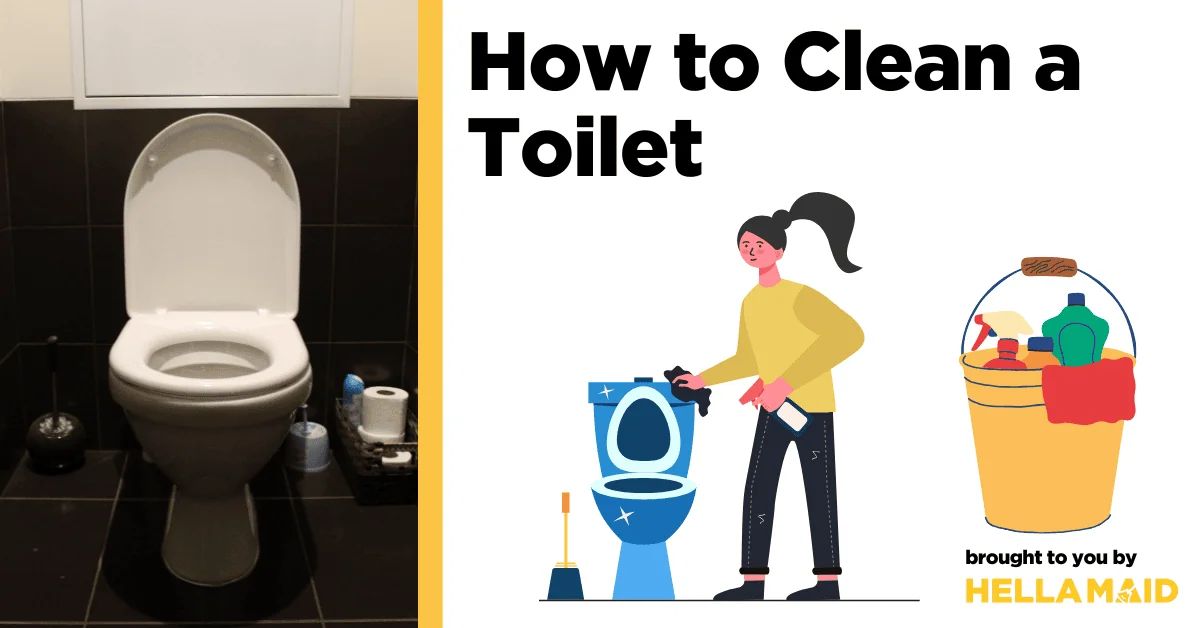
Knowing how to clean a toilet properly isn’t just about appearances; it’s about health, hygiene, and peace of mind. Whether you’re dealing with stubborn stains, mineral buildup, or just routine grime, most people don’t realize that their technique or cleaning products might actually be making things worse.
In this research-backed guide, we’ll walk you through the best way to clean a toilet, from the tools you need to expert-approved stain removal tips. We’ll also answer the most common toilet-cleaning questions and help you avoid the biggest mistakes homeowners make.
Let’s dive into a cleaner, fresher bathroom, starting with the bowl.
 Before you learn how to clean a toilet, the best way to clean a toilet starts with preparation. Using the wrong tools or forgetting one key item can make the job harder, or even spread bacteria. So, let’s make sure you’ve got everything ready.
This is where most people go wrong. They pour in cleaner, scrub for a few seconds, and call it a day. But if you really want to learn how to clean a toilet properly and keep it stain-free and germ-free, you need to follow a proven process.
Here’s the expert-backed, research-based method:
The bowl might be the dirtiest part, but the outside of your toilet collects germs, grime, dust, and splashes. And let’s be honest, it’s often the most overlooked area.
Here’s the best way to clean a toilet exterior from top to base:
Even if you know how to clean a toilet, some small mistakes can undo your hard work, or worse, damage your fixtures. Let’s break down the top errors that pros say to steer clear of:
Before you learn how to clean a toilet, the best way to clean a toilet starts with preparation. Using the wrong tools or forgetting one key item can make the job harder, or even spread bacteria. So, let’s make sure you’ve got everything ready.
This is where most people go wrong. They pour in cleaner, scrub for a few seconds, and call it a day. But if you really want to learn how to clean a toilet properly and keep it stain-free and germ-free, you need to follow a proven process.
Here’s the expert-backed, research-based method:
The bowl might be the dirtiest part, but the outside of your toilet collects germs, grime, dust, and splashes. And let’s be honest, it’s often the most overlooked area.
Here’s the best way to clean a toilet exterior from top to base:
Even if you know how to clean a toilet, some small mistakes can undo your hard work, or worse, damage your fixtures. Let’s break down the top errors that pros say to steer clear of:
Gather Your Cleaning Supplies
 Before you learn how to clean a toilet, the best way to clean a toilet starts with preparation. Using the wrong tools or forgetting one key item can make the job harder, or even spread bacteria. So, let’s make sure you’ve got everything ready.
What You’ll Need:
- Toilet bowl cleaner (preferably with disinfecting properties or limescale remover)
- Disinfectant spray (for the outer areas like the flush handle, seat, and lid)
- Toilet brush (with firm bristles and a curved head)
- Pumice stone (for mineral or rust stains, optional but effective)
- Rubber gloves (always!)
- Scrub sponge or cloth (for the seat, lid, and tank)
- Paper towels or disposable wipes
- Old toothbrush (for nooks and crannies around hinges or bolts)
- Baking soda and white vinegar (natural cleaning combo)
What NOT to Use:
- Steel wool (can scratch porcelain)
- Harsh acids or bleach mixed with other chemicals (dangerous fumes)
- Colorful toilet drop-in tablets (they mask odors but can damage seals)
How to Clean a Toilet Bowl (The Right Way)
 This is where most people go wrong. They pour in cleaner, scrub for a few seconds, and call it a day. But if you really want to learn how to clean a toilet properly and keep it stain-free and germ-free, you need to follow a proven process.
Here’s the expert-backed, research-based method:
This is where most people go wrong. They pour in cleaner, scrub for a few seconds, and call it a day. But if you really want to learn how to clean a toilet properly and keep it stain-free and germ-free, you need to follow a proven process.
Here’s the expert-backed, research-based method:
1. Apply Toilet Bowl Cleaner Under the Rim
- Squirt your cleaner under the entire rim so it coats the inside of the bowl.
- Let it sit for at least 10 minutes, this dwell time is critical for disinfecting and loosening grime.
2. Scrub the Bowl with a Toilet Brush
- Use a firm-bristle toilet brush.
- Scrub under the rim (where bacteria love to hide).
- Work your way down the bowl, focusing on water lines and discoloration.
- Rim jets: Look under the rim holes where water sprays out when flushed.
- Water line: This is where hard water and waste create stubborn stains.
- Bowl base: That area at the bottom can build up grime over time.
3. Flush to Rinse
- Once the bowl is thoroughly scrubbed, flush to rinse everything away.
- If needed, flush again while scrubbing lightly to rinse off lingering debris.
4. For Tough Stains, Use Baking Soda + Vinegar (or Pumice)
How to remove stubborn toilet stains:- Pour 1 cup of baking soda into the bowl.
- Add 1–2 cups of white vinegar.
- Let it fizz and sit for 15 minutes to 1 hour.
- Scrub and flush.
Clean the Outside of the Toilet (Not Just the Bowl)
 The bowl might be the dirtiest part, but the outside of your toilet collects germs, grime, dust, and splashes. And let’s be honest, it’s often the most overlooked area.
Here’s the best way to clean a toilet exterior from top to base:
The bowl might be the dirtiest part, but the outside of your toilet collects germs, grime, dust, and splashes. And let’s be honest, it’s often the most overlooked area.
Here’s the best way to clean a toilet exterior from top to base:
1. Start with the Flush Handle
- Spray disinfectant or use a disinfectant wipe.
- Let it sit for 5 minutes to kill the bacteria.
- Wipe clean with a dry cloth or paper towel.
2. Clean the Toilet Lid and Seat
- Lift both the seat and lid.
- Spray both sides with disinfectant.
- Use a soft scrub sponge or cloth to wipe it down thoroughly.
- Pay attention to hinges and crevices, use a toothbrush to scrub these spots.
3. Wipe Down the Tank
- Spray disinfectant on the top and front of the tank.
- Wipe down with a microfiber cloth.
- Don’t forget to clean the flush mechanism if it’s a button or sensor.
4. Clean the Base and Around the Bolts
- Spray around the base of the toilet and behind the bowl where dust collects.
- Wipe thoroughly, especially near the floor bolts and edges.
- If there’s visible buildup, use a damp sponge with a touch of baking soda.
5. Sanitize the Floor Around the Toilet
- Mop or wipe the floor area surrounding the toilet.
- Use disinfectant spray or a vinegar-water solution.
- Let it dry fully before placing rugs or mats back down.
How to Prevent Toilet Stains and Odors (Long-Term Maintenance)
Cleaning your toilet once a week is great. But what if you could stop tough stains and foul odors before they even start? Here are smart, research-backed ways to extend the freshness and make your deep cleans easier over time.1. Use a Toilet Bowl Tablet (Carefully)
- Drop-in tablets that don’t contain bleach can help reduce buildup between scrubs.
- Look for natural or enzyme-based tablets to avoid corroding internal parts.
2. Flush Twice After Heavy Use
- If you’ve used strong cleaners or if the bowl was heavily soiled, flush a second time to rinse fully.
- This reduces residue and buildup under the rim.
3. Keep a Toilet Brush Handy
- A quick daily swish with a brush can prevent ring stains and mineral lines from forming.
- Store it in a vented holder and clean the brush weekly with disinfectant.
4. Ventilate the Bathroom
- Poor ventilation leads to excess moisture, which promotes bacteria, mildew, and odors.
- Open a window or run a fan for at least 15–20 minutes after each bathroom use.
5. Schedule a Deep Clean Monthly
Even if you follow regular maintenance, commit to a once-a-month deep clean using all the steps outlined in this guide:- Full bowl clean + stain removal
- Exterior wipe-down
- Floor and wall touch-ups
- Odor-neutralizing spray
Common Toilet Cleaning Mistakes to Avoid
 Even if you know how to clean a toilet, some small mistakes can undo your hard work, or worse, damage your fixtures. Let’s break down the top errors that pros say to steer clear of:
1. Scrubbing Immediately After Applying Cleaner
Cleaning solutions need dwell time to break down grime and kill bacteria. Scrubbing too soon means you’re not giving it time to work, and you’ll be left doing double the scrubbing later. Fix: Always let your cleaner sit for 10–15 minutes before brushing.2. Using the Same Cloth for the Entire Toilet
Cross-contamination is real. Using one rag to wipe the toilet handle, then the bowl, then the tank? You’re just moving germs around. Fix: Use separate cloths or disposable wipes for each section of the toilet. Always clean top to bottom, so germs don’t drip down.3. Neglecting the Rim Jets
The small holes under the rim of your toilet bowl (rim jets) are where water flows in. These easily collect mineral buildup, leading to poor flush performance and stains. Fix: Use a toothbrush or wire brush monthly to scrub under the rim jets.4. Skipping the Tank
If your toilet has a lingering smell or flush issues, the problem might be in the tank. Mold, bacteria, and mineral buildup here can cause problems fast. Fix: Pour 1 cup of white vinegar into the tank once a month. Let it sit 10–15 minutes, then flush twice.5. Mixing Cleaners (Danger!)
Combining bleach with vinegar, ammonia, or other chemicals can release toxic fumes. Even small traces can be dangerous in enclosed bathrooms. Fix: Stick to one cleaner at a time. Rinse thoroughly before trying a new one.Weekly vs. Monthly Toilet Cleaning Checklist
To help you implement everything from this guide, here’s a simplified breakdown of what to do each week versus what to tackle monthly:Weekly Tasks (10–15 min)
- Scrub the bowl with disinfectant cleaner
- Wipe handle, seat, and lid with disinfecting wipes
- Quick scrub under the rim
- Clean floor around the toilet
- Check for any stains or odor
Monthly Deep Clean (30–45 min)
- Deep scrub using baking soda + vinegar
- Clean under the rim jets
- Clean the toilet tank with vinegar
- Polish exterior with microfiber
- Disinfect surrounding walls or tile
Cleaning with Confidence
Now that you’ve learned how to clean a toilet step-by-step, plus pro tips, mistakes to avoid, and long-term maintenance, there’s nothing stopping you from having a spotless, odor-free bathroom. Learning how to clean a toilet goes beyond a quick brush and flush. A truly clean toilet protects your family’s health, prevents tough stains, and creates a fresh-smelling bathroom you’ll actually enjoy. Here’s the expert-approved formula:- Use the right tools and cleaners
- Let products sit before scrubbing
- Clean all exterior surfaces, not just the bowl
- Regularly maintain to prevent buildup
Need Help Keeping Your Bathroom Sparkling?
Even with the best tips, life gets busy. That’s where Hellamaid comes in. We’re experts in delivering spotless bathrooms and stress-free homes across Texas, so you can focus on what matters. Book your professional bathroom cleaning today and say goodbye to toilet stains for good.FAQs About How to Clean a Toilet
1. What’s the best way to clean a toilet with hard water stains?
Use a combination of baking soda and white vinegar, letting it sit in the bowl for 30–60 minutes before scrubbing with a stiff toilet brush. For mineral rings, gently use a wet pumice stone to scrub the stains without scratching the porcelain.2. Can I mix bleach and toilet bowl cleaner?
No! Mixing bleach with other chemicals, especially acid-based toilet cleaners, can produce dangerous, toxic fumes. Always read product labels and use one cleaner at a time, with proper ventilation.3. How often should I clean the toilet?
Toilets should be deep cleaned once a week, and the exterior wiped down more frequently, especially in high-traffic homes. Quick daily maintenance (like a brush swish or seat wipe) can help keep it fresher between cleanings.4. What’s the safest way to clean a toilet without harsh chemicals?
If you prefer natural cleaning, use a mix of:- 1 cup baking soda
- 1 cup white vinegar Let it fizz for 10–15 minutes, then scrub and flush. It’s safe, effective, and eco-friendly.
5. How do I stop toilet odors between cleanings?
- Drop in a natural deodorizing tablet or baking soda bomb.
- Leave the toilet lid closed after flushing.
- Keep the bathroom well-ventilated and wipe the seat, handle, and base regularly.