
Granite countertops are stunning, durable, and elevate the look of any kitchen or bathroom. But when a stain shows up, coffee rings, oil spots, or hard water marks, it can feel like a permanent eyesore. The good news? You can safely remove stains from granite countertops without damaging the stone.
In this guide, you’ll learn 7 powerful methods to remove stains from granite countertops using safe and effective techniques. Whether you’re battling grease, wine, or rust stains, these step-by-step solutions are exactly what your granite needs to shine again.
1. Identify the Stain Type First
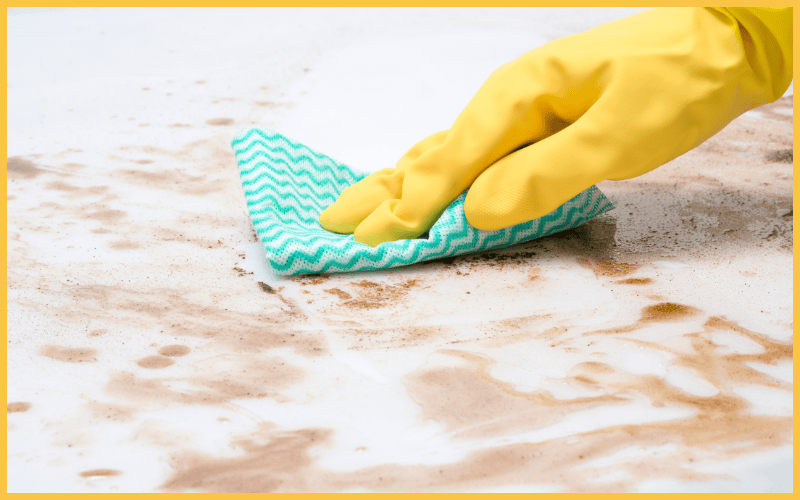
Before you try to remove stains from granite countertops, it’s important to identify the type of stain you’re dealing with. Granite is porous, so the stain source determines the solution.
Common granite stains include:
- Oil (cooking oils, lotions)
- Organic (coffee, wine, juice)
- Rust (from metal pans or tools)
- Hard water or mineral deposits
- Ink or dyes
Each stain responds differently to cleaning agents. So, always start by spot-testing before applying any method across a large area.
2. Baking Soda Poultice for Oil and Grease Stains
The most trusted way to remove oil-based stains from granite countertops is the baking soda poultice method.
Steps:
- Mix baking soda and water into a thick paste.
- Apply the paste over the stain.
- Cover with plastic wrap and tape down the edges.
- Let it sit for 24 hours.
- Remove and wipe clean with a soft cloth.
This method helps draw oil out of the stone’s surface without using any harsh chemicals.
Pro Tip: Repeat the process if the stain isn’t fully gone after the first try.
3. Hydrogen Peroxide Paste for Food and Organic Stains
If you’re trying to remove stains from granite countertops caused by coffee, juice, or wine, this method is your best bet.
Steps:
- Mix hydrogen peroxide with baking soda to create a thick paste.
- Apply to the stain and cover with plastic wrap.
- Let it sit for 12–24 hours.
- Rinse with water and dry thoroughly.
Hydrogen peroxide lifts organic stains while being gentle enough not to etch granite.
Avoid using it on darker granite as it may cause lightening.
4. Use a Rust Remover Specifically Made for Stone
Rust stains from cans, razors, or tools left on granite can be stubborn. Don’t reach for generic rust removers—they often contain acids that can etch the granite surface.
What to Use Instead:
- A stone-safe rust remover like Iron Out or a specialty product designed for natural stone surfaces.
- Follow the product instructions and always rinse thoroughly.
This is a safe way to remove stains from granite countertops without damaging your investment.
5. Dish Soap and Warm Water for Daily Cleaning
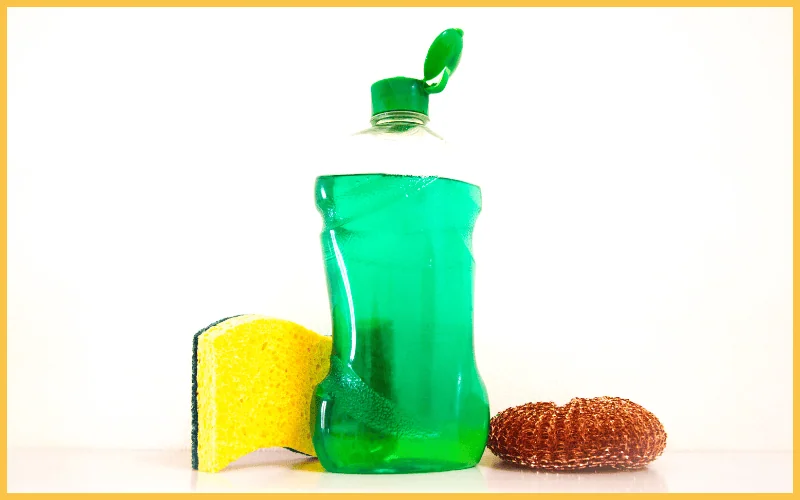
Not all stains need aggressive cleaning methods. Sometimes, a simple solution of mild dish soap and warm water can do the trick, especially for fresh stains.
Steps:
- Mix a few drops of dish soap in warm water.
- Use a microfiber cloth or non-abrasive sponge.
- Gently scrub the stained area.
- Rinse and dry with a clean towel.
Make this part of your daily granite care routine to avoid buildup and future stains.
6. Use a Razor Blade for Hardened Residue
Sticky or dried-on substances like candle wax, paint, or food residue can harden onto granite and leave a mark.
Steps:
- Carefully use a flat razor blade at a 45-degree angle.
- Gently scrape away the residue.
- Wipe the area clean with soap and water.
Be cautious not to scratch the surface. This method is best for surface-level stains, not deep discoloration.
7. Prevent Future Stains with Granite Sealer
The final step in keeping your stone spotless? Sealing your granite countertops.
Why sealing matters:
- Prevents absorption of liquids
- Repels oils and spills
- Makes future cleaning easier
Use a penetrating granite sealer every 6 to 12 months. Many professionals include sealing when they remove stains from granite countertops to avoid repeat damage.
FAQ
How do I know if my granite countertops are sealed?
Pour a small amount of water on the surface. If it beads up, your seal is intact. If it absorbs into the granite within a few minutes, it’s time to reseal.
Can I use vinegar or bleach on granite?
No. Avoid acidic or harsh chemicals like vinegar, bleach, or ammonia. These can dull the finish or cause long-term damage.
What if the stain won’t go away?
If you’ve tried these methods and still can’t remove stains from granite countertops, it’s time to call a professional stone care expert. They use industrial-grade poultices and tools to restore your granite safely.
Final Thoughts
Whether you’re dealing with a small coffee spill or a years-old grease spot, these techniques are the safest and most effective ways to remove stains from granite countertops. With the right tools and a little patience, your granite can shine like new again, without needing replacement or harsh chemicals.
For homeowners who want a trusted, done-for-you solution, Hellamaid offers deep cleaning and granite-safe stain removal services tailored to your needs.
Book a professional cleaning today and protect your countertops the smart way.