Linoleum floors are durable, eco-friendly, and long-lasting, but only if you care for them properly. If you’re wondering how to thoroughly clean linoleum floors without damaging them, you’re in the right place. This guide breaks down expert-approved methods, tools, and pro cleaning tips that make your floors shine like new.
Whether you’re prepping for a seasonal deep clean or looking for a weekly maintenance routine, these steps will help you clean linoleum floor surfaces effectively, extend their lifespan, and keep your home healthier overall.
Step 1: Clear the Area and Sweep Properly
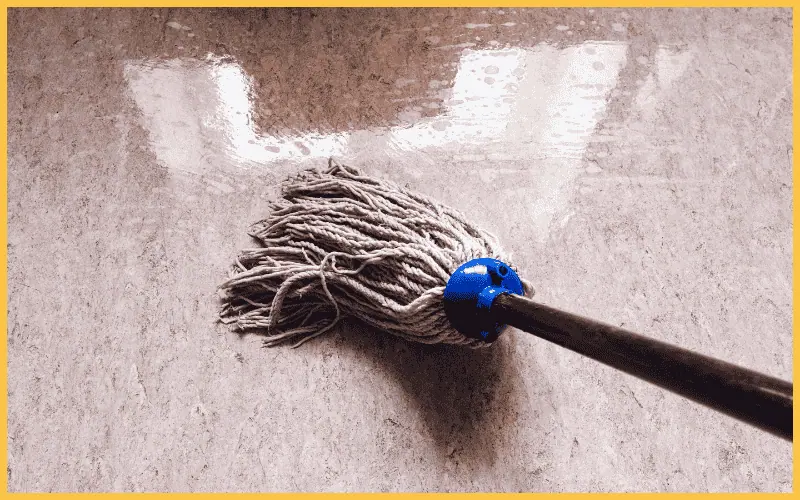
Before you even grab a mop, the first step in learning how to thoroughly clean linoleum floors is preparation. Linoleum may be resilient, but it can scratch if dirt or debris is dragged during cleaning. That’s why this step is so important.
Here’s what to do:
- Remove all furniture and rugs from the area you plan to clean.
- Use a microfiber broom or vacuum designed for hard floors to sweep up dust, crumbs, and pet hair.
- Don’t forget to get into corners, baseboards, and under cabinets, these spots are dirt magnets.
- Avoid using a vacuum with a beater bar, it can scratch linoleum flooring.
Why it matters: Linoleum is made from natural materials like linseed oil, cork dust, and wood flour. Unlike vinyl, it can absorb dirt if not properly cleaned first, making mopping less effective.
Pro Tip: If you’ve got a lot of dust buildup, run a dry microfiber mop over the surface after vacuuming for a double-clean sweep.
Step 2: Choose the Right Cleaning Solution for Linoleum Floors
When learning how to thoroughly clean linoleum floors, the solution you use matters just as much as the technique. Linoleum is sensitive to harsh chemicals, so the wrong cleaner can dull the finish or even cause long-term damage.
The Best Cleaners for Linoleum:
- Warm water + mild dish soap – Great for everyday cleaning.
- White vinegar + water solution (1 cup vinegar to 1 gallon of warm water) – Ideal for disinfecting and deodorizing.
- Castile soap and warm water – A gentle, plant-based option.
- Baking soda paste (for spot cleaning tough stains).
- Avoid bleach, ammonia, or highly acidic solutions – They can strip the floor’s protective seal.
Why it works: Linoleum is porous. Harsh cleaners can seep in and break down the material over time. Using a gentle, pH-balanced solution ensures a deep clean without harming the surface.
Optional Add-Ons:
- Add a few drops of essential oil (like lemon or tea tree) to your mixture for a fresh scent.
- Use a linoleum-safe commercial floor cleaner like Method or Bona, but double-check it’s labeled safe for linoleum, not just vinyl.
Pro Tip: Always test your solution on a small, hidden area of the floor before applying it everywhere.
Step 3: Mop Using the Right Technique (and Tool)
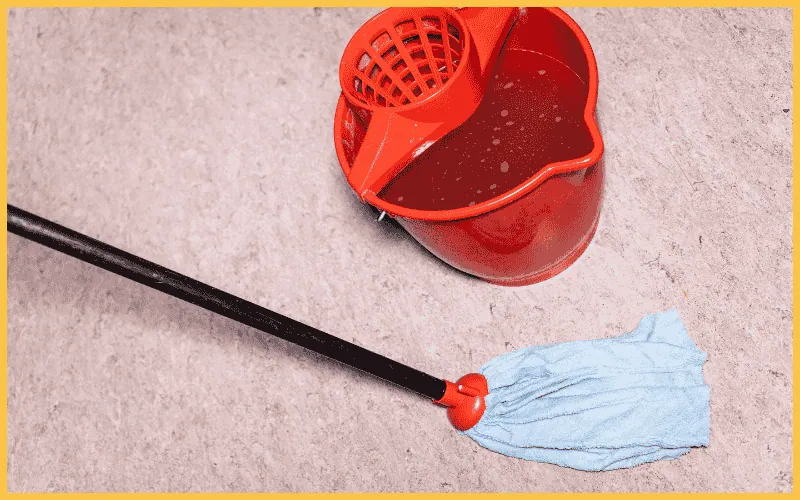
Now that you’ve prepared your surface and chosen a gentle cleaner, it’s time to mop. But how to thoroughly clean linoleum floors isn’t just about scrubbing, it’s about technique and consistency.
Best Mops for Linoleum Floors:
- Microfiber mop – Gentle and effective at trapping dust and dirt.
- Sponge mop – Works well with soapy water but must be rinsed frequently.
- Spray mop – Convenient for small areas or quick cleanups.
How to Mop Linoleum Floors:
- Start at the farthest corner of the room and work your way toward the door.
- Wring out your mop thoroughly to avoid over-saturating the floor. Too much water can seep into seams and edges.
- Use long, overlapping strokes for consistent coverage.
- Mop in sections (e.g., 4×4 ft) and rinse your mop head often to avoid redistributing grime.
- If needed, go over sticky or high-traffic areas twice.
Why it matters: Excess water can cause linoleum to warp or discolor over time. Using the right amount of moisture and a soft mop prevents damage while delivering a deep clean.
Spot-Treating Stubborn Areas:
- For stains or buildup, sprinkle baking soda directly on the spot.
- Spray with vinegar solution and let sit for 5–10 minutes.
- Scrub gently with a soft-bristled brush or sponge, then rinse.
Step 4: Dry and Buff for a Streak-Free Finish
You’ve mopped, rinsed, and your floors look cleaner, but don’t stop there. One of the most overlooked (yet crucial) steps in how to thoroughly clean linoleum floors is the drying and buffing stage.
Why Drying Matters:
- Linoleum is sensitive to excess moisture. If water is left to pool or sit, it can seep into seams and edges, causing warping, bubbling, or peeling over time.
- Damp floors attract dust, making your hard work go to waste.
- It also reduces the risk of slipping, especially in high-traffic areas.
How to Dry Linoleum Floors the Right Way:
- Use a clean microfiber cloth or towel to wipe down the surface.
- For large areas, toss a few old bath towels on the floor and walk them around with your feet.
- Open windows or turn on fans to speed up the drying process and improve air circulation.
Buff for Extra Shine:
- After drying, attach a dry microfiber cloth to your mop or buff by hand.
- Work in circular motions to lift any remaining streaks and restore the natural sheen of your linoleum.
- This is especially helpful in homes with pets or kids where floors need to look fresh daily.
Pro Tip: Avoid using wax or oil-based products unless your flooring manufacturer recommends it. These can create slippery residue or dull the finish over time.
Step 5: Maintain Your Clean Linoleum Floor with These Simple Habits
Once you’ve mastered how to thoroughly clean linoleum floors, the next step is maintaining that spotless shine, without having to deep clean every week. The secret? Simple, consistent habits that prevent grime from building up in the first place.
Daily Habits That Protect Your Linoleum:
- Sweep or vacuum daily using a soft-bristle broom or a vacuum made for hard floors. This prevents tiny debris from scratching the surface.
- Wipe up spills immediately. Linoleum is water-resistant but not waterproof, moisture left behind can seep into seams and cause long-term damage.
- Use doormats at entrances to trap dirt before it hits your floors.
Weekly Maintenance:
- Do a quick mop with a mild cleaner or vinegar solution once a week.
- Focus on high-traffic areas like the kitchen or entryways.
- Buff lightly after drying to keep the floor looking polished.
Monthly Deep Clean:
- Once a month, revisit your deep clean linoleum floors routine.
- Move lightweight furniture and hit corners and edges you might’ve missed.
- Check for scuff marks or discoloration and address them using your spot-cleaning techniques.
Protective Measures:
- Add felt pads under furniture legs to prevent scratching.
- Avoid dragging furniture across the floor, lift instead.
- If you use rugs, choose ones with a non-slip, non-staining backing.
Did You Know? Linoleum is made from natural materials like linseed oil, cork dust, and wood flour, making it a sustainable, eco-friendly flooring option. Treat it with care, and it can last up to 40 years.
FAQ’s
1. Can I use bleach to clean linoleum floors?
It’s best to avoid bleach. Linoleum is sensitive to harsh chemicals. Bleach can strip away the protective layer and cause discoloration. Stick to pH-neutral cleaners or a vinegar and water solution.
2. How often should I deep clean linoleum floors?
You should deep clean linoleum floors once a month, especially in high-traffic areas. Weekly surface cleaning is enough for general upkeep, but monthly deep cleans keep grime and buildup from setting in.
3. What’s the best way to remove scuff marks from linoleum?
Use a soft cloth dampened with baking soda paste or a bit of WD-40 to gently buff out scuff marks. Avoid abrasive scrubbers that can scratch the surface.
4. Can I steam clean linoleum flooring?
No. Excessive heat and moisture from a steam cleaner can damage linoleum and cause warping. Always use a damp mop, not wet, and dry the surface immediately.
5. How do I know if my floor is real linoleum or vinyl?
Real linoleum has a natural scent (like linseed oil), and its color goes all the way through. Vinyl, on the other hand, has a printed surface layer. If you’re unsure, consult the flooring brand or installer before applying cleaning methods.
Final Thoughts
Knowing how to thoroughly clean linoleum floors means you’re not just making your home look great, you’re preserving one of the most sustainable flooring types around. Whether you’re dealing with everyday dirt, spills, or buildup, the right cleaning habits go a long way.
If you ever need professional help keeping your floors spotless, Hellamaid is here to help! We offer deep, eco-friendly cleaning services that respect your surfaces, and your time.
Book your linoleum-safe home cleaning today at Hellamaid and enjoy a sparkling clean you can trust.