Your couch is more than just furniture, it’s where memories are made. Whether it’s movie nights, pet cuddles, or afternoon naps, your sofa sees it all. But all that love also means crumbs, stains, odors, and dust mites.
Learning how to clean your couch the right way not only keeps it looking and smelling fresh but also extends its lifespan. Plus, if you have kids or pets, regular sofa cleaning becomes even more important for hygiene and health.
In this guide, we’ll walk you through the most effective, research-backed methods to keep your sofa spotless. From natural solutions like cleaning couch with baking soda and vinegar, to commercial couch stain remover tips, you’ll get a complete, room-ready strategy.
How Often Should You Clean Your Couch?

Knowing how often to clean your couch depends on your lifestyle. If you live alone, a light clean every few weeks may be enough. But if you have pets, kids, or guests over often, you’ll want to clean it more regularly.
General Rule of Thumb:
- Vacuum weekly to remove crumbs, dirt, and pet hair.
- Spot clean spills immediately to prevent stains.
- Deep clean every 1–2 months, especially if you use your couch daily.
Why It Matters:
Over time, couches collect allergens, dust mites, and bacteria. Regular maintenance keeps your sofa looking new, and your indoor air cleaner. If you or your family members suffer from allergies, this step is crucial.
Pro Tip: Add “sofa cleaning” to your monthly cleaning checklist and set calendar reminders so you don’t forget.
Tools and Supplies You’ll Need to Clean Your Couch or Sofa
Before diving into the actual cleaning process, it’s important to gather everything you’ll need. The right tools and products make how to clean your couch a whole lot easier, and way more effective.
Must-Have Cleaning Tools:
- Vacuum cleaner with upholstery attachment – for removing crumbs, hair, and loose dirt
- Soft-bristle brush – to gently scrub stains without damaging fabric
- Spray bottle – for applying DIY or store-bought solutions evenly
- Microfiber cloths – they trap dust and lift dirt without scratching surfaces
- White towels – helpful for blotting stains so you can see the transfer
Best Couch Cleaning Products:
- Mild dish soap – great for fabric upholstery when diluted in water
- White vinegar – a natural disinfectant and deodorizer
- Baking soda – absorbs odors and loosens light stains
- Hydrogen peroxide (3%) – works as a powerful couch stain remover (spot-test first!)
- Enzyme cleaner – ideal for pet stains and organic messes
- Leather conditioner – for leather couches to restore shine and moisture
Why these matter: Having everything on hand avoids interruptions and ensures that you’re treating your sofa with safe and effective materials.
How to Clean Your Couch (Step-by-Step Based on Upholstery Type)
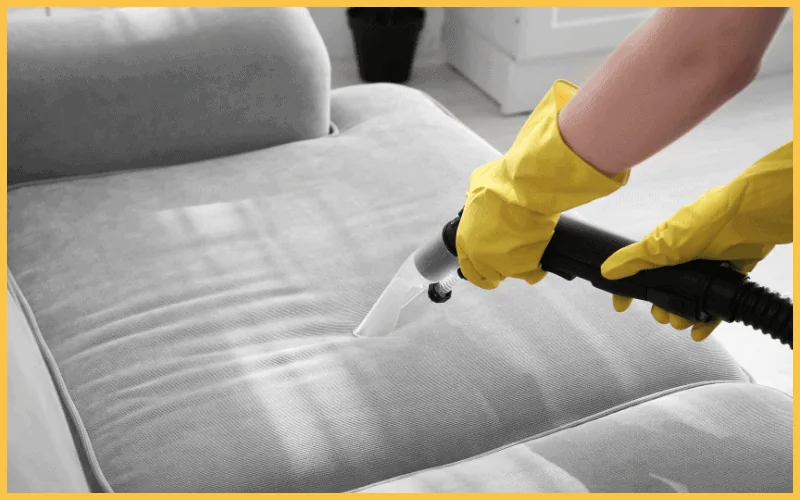
When learning how to clean your couch, it’s crucial to identify the type of fabric or material first. Why? Because using the wrong method or solution can ruin your upholstery. Here’s a breakdown of common couch types and how to clean each one properly.
Fabric or Cloth Upholstery
Most standard sofas are made of polyester, cotton, linen, or blends. These can be cleaned using gentle DIY methods.
Steps:
- Check the tag for cleaning codes:
- W = Water-based cleaner
- S = Solvent-based cleaner
- WS = Both safe
- X = Vacuum only
- Vacuum the entire surface thoroughly using a brush attachment.
- Sprinkle baking soda on cushions and let sit for 15–20 minutes to absorb odors.
- Spot-clean using a mix of:
- 1 tsp dish soap
- 1 tbsp white vinegar
- 2 cups warm water
Apply with a microfiber cloth, blot (don’t rub), then dry with a clean towel.
- Dry completely using a fan or open windows to prevent mold.
Pro Tip: Always do a spot test on a hidden area before using any cleaner.
Leather Sofas
Leather requires a gentle, moisturizing approach.
Steps:
- Dust and vacuum first to remove crumbs and grit.
- Mix a solution of equal parts white vinegar and water.
- Wipe gently using a microfiber cloth.
- Buff dry with a clean towel.
- Apply leather conditioner to restore moisture and prevent cracking.
Best way to clean a leather couch: Use a store-bought leather cleaner and conditioner once a month for lasting results.
Faux Leather or Vinyl
These materials are more durable but still need care.
Steps:
- Vacuum the couch thoroughly.
- Wipe down using mild dish soap and warm water.
- Rinse with a damp cloth to remove residue.
- Dry completely to avoid water spots or streaking.
Suede or Microfiber
These can be tricky since they show water spots easily.
Steps:
- Vacuum thoroughly using a soft brush attachment.
- Use rubbing alcohol in a spray bottle.
- Lightly mist the stained area and scrub with a suede brush or sponge.
- Fluff the fibers with a dry brush once dry.
Stain Removal 101: How to Get Rid of the Worst Couch Stains

No matter how careful you are, your couch will eventually fall victim to spills, dirt, and mystery marks. Here’s how to clean your couch and tackle the most stubborn stains, step by step.
Food and Drink Spills
Best for: Coffee, juice, wine, soda, and sauces.
How to Clean:
- Blot immediately, never rub! Use a paper towel or cloth to soak up excess liquid.
- Apply a solution of:
- 1 tbsp dish soap
- 1 tbsp white vinegar
- 2 cups of warm water
- Use a clean cloth to dab the mixture onto the stain.
- Rinse with a damp cloth and blot dry.
Coffee or Tea Stains
How to Clean:
- Mix 1 part vinegar to 2 parts water.
- Apply to the stain and let sit for 5 minutes.
- Blot and repeat as needed.
- Finish with baking soda to absorb odor.
Red Wine
How to Clean:
- Blot excess wine.
- Mix hydrogen peroxide and dish soap (2:1 ratio).
- Apply and blot repeatedly.
- Rinse with cold water and blot dry.
Blood Stains
How to Clean:
- Use cold water only (warm water will set the stain).
- Blot with a cloth soaked in cold water.
- If needed, apply hydrogen peroxide and blot again.
Pet Accidents
Best way to clean a couch from pet messes:
- Remove solid waste, then blot urine or vomit.
- Apply enzyme-based cleaner (great for breaking down organic material).
- Let sit per product instructions.
- Rinse and blot dry.
Tip: Always use pet-safe, non-toxic solutions.
Grease and Oil
How to Clean:
- Sprinkle cornstarch or baking soda on the stain and let it absorb oils for 15 minutes.
- Vacuum the powder.
- Apply dish soap + water, scrub gently, and rinse.
Natural Couch Cleaning Recipes: DIY Baking Soda & Vinegar Hacks
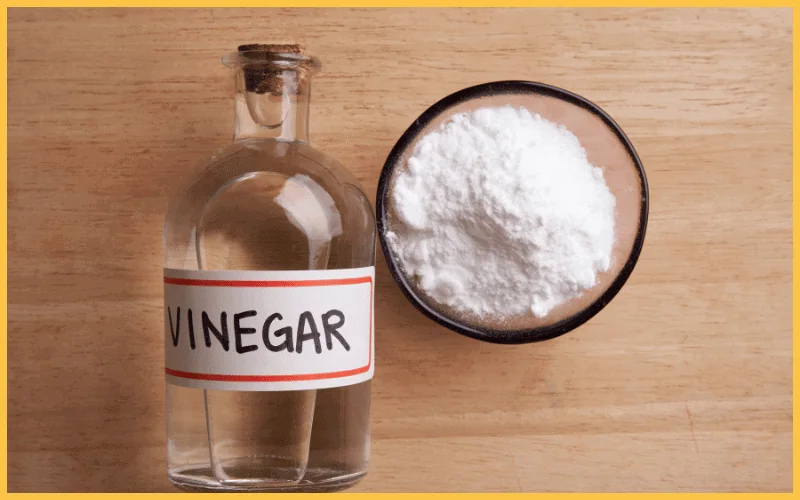
Want to clean your couch without harsh chemicals? These DIY methods are safe, affordable, and surprisingly effective. Here’s how to clean your couch using natural ingredients you already have at home.
The Power of Baking Soda
Why it works: Baking soda lifts dirt, absorbs odors, and loosens tough stains.
How to Use Baking Soda on Your Couch:
- Light cleaning: Sprinkle baking soda over your entire couch.
- Let sit for 15–20 minutes.
- Vacuum thoroughly using a brush attachment.
- Enjoy the instant freshness!
Pro Tip: Add a few drops of essential oil (like lavender or lemon) to the baking soda before sprinkling for a subtle scent boost.
Couch Stain Remover with Vinegar & Baking Soda
For light to moderate stains:
- Mix:
- 1 cup warm water
- ½ cup white vinegar
- 1 tbsp baking soda (add slowly!)
- Dab the solution onto the stain using a clean cloth.
- Let sit for 5–10 minutes.
- Blot with a dry towel and air dry.
Fabric Refresher Spray
Great for odors and daily maintenance:
- Combine:
- 1 cup water
- ½ cup white vinegar
- 10 drops of essential oil (optional)
- Pour into a spray bottle and mist lightly over your couch.
Use Weekly: Especially if you have pets, kids, or high-traffic use.
Spot-Cleaning with Dish Soap
Simple and safe for most fabrics:
- Mix:
- 2 cups water
- 1 tsp mild dish soap
- Lightly scrub the stained area.
- Rinse with a damp cloth and dry.
Warning: Always do a patch test before applying anything new to your fabric!
Couch-Specific Cleaning Instructions by Material
Different couch materials require different cleaning methods. Here’s how to clean your couch based on what it’s made of, so you don’t accidentally damage it.
How to Clean a Fabric Couch (Most Common)
Fabric sofas are cozy but love to trap dirt and odors.
How to clean your fabric couch:
- Vacuum thoroughly, pay extra attention to seams and crevices.
- Use a mild dish soap + water solution to spot-clean.
- For deeper refresh:
- Mix 1 part white vinegar, 1 part water, and 2 teaspoons of baking soda.
- Spray lightly and blot with a clean cloth.
- Let it air dry completely.
How to Clean a Microfiber Couch
Microfiber repels water but can hold onto grease and body oils.
Step-by-step:
- Use a white sponge or soft cloth to avoid dye transfer.
- Mix rubbing alcohol with water in a 1:1 ratio.
- Lightly spray over stained areas.
- Scrub in a circular motion.
- Fluff fibers back with a soft brush after drying.
Why this works: Alcohol evaporates quickly, so it cleans without soaking the material.
How to Clean a Leather Couch
Leather couches require gentle care to maintain shine and flexibility.
What to do:
- Vacuum with a soft brush attachment.
- Wipe down with a microfiber cloth and mild soap + warm water.
- Dry immediately with a soft towel.
- Apply leather conditioner to prevent cracks and keep it looking luxurious.
Avoid: Harsh cleaners, bleach, or anything abrasive.
How to Clean a Velvet Couch
Velvet = glam + high-maintenance.
How to handle it:
- Vacuum gently with a fabric attachment.
- Use dry foam upholstery cleaner if needed.
- Never oversaturate velvet, it can lose its texture.
- Steam lightly to lift crushed fibers back to life.
Preventive Tips to Keep Your Couch Cleaner, Longer

Want to avoid deep scrubbing every month? These smart habits will help you maintain your couch’s freshness and structure for years to come.
Use Couch Covers or Throws
- Why it helps: Easily washable and protects from spills, dirt, and pet hair.
- Keep extras on hand so you can rotate and wash them weekly.
Keep Pets Off (or Train Them Well)
- If your pets love the couch, train them to stay on a designated blanket.
- Use a lint roller daily to remove pet dander and hair.
No Food Zones
- Eating on the couch leads to grease, crumbs, and stains.
- Encourage dining at the table, your couch will thank you later.
Spot-Clean Immediately
- The faster you respond, the less likely a spill will turn into a stubborn stain.
- Blot, don’t rub, rubbing spreads the mess and damages fibers.
Use Fabric Protection Spray
- Consider applying a fabric protector after deep cleaning.
- It creates a barrier against moisture and stains without affecting the texture.
Schedule Regular Maintenance
- Vacuum once a week.
- Do a deep clean every 1–2 months depending on usage.
- Set reminders in your calendar so it becomes part of your routine.
Pro Tip: Add a small packet of baking soda beneath couch cushions to absorb lingering odors over time.
FAQs About How to Clean Your Couch
What is the best method for how to clean your couch naturally?
A mix of baking soda and vinegar is a powerful natural cleaner. Baking soda absorbs odors and loosens dirt, while vinegar disinfects and breaks down tough stains. Sprinkle baking soda first, let it sit, then spray vinegar (diluted with water), and blot with a clean cloth.
Can I use dish soap to clean my fabric couch?
Yes! Mix a few drops of dish soap with warm water, lightly scrub with a soft cloth or sponge, and blot dry. It works great for grease-based stains and won’t damage most upholstery.
How often should I deep clean my couch?
Aim to deep clean every 1 to 3 months, depending on usage, pets, and children. Spot clean weekly and vacuum the surface and under cushions to prevent buildup.
What’s the best couch stain remover for tough spots?
For protein-based stains (like food or sweat), use an enzyme-based stain remover. For ink or red wine, a mix of rubbing alcohol and dish soap works well. Always test a small hidden area first.
Is steam cleaning safe for all couches?
Not always. Check your couch’s cleaning code, if it says “W” or “WS”, it’s safe for water-based methods like steam cleaning. If it says “S” (solvent only) or “X” (vacuum only), avoid steam and opt for dry cleaning or professional service.
Final Thoughts:
Now you know how to clean your couch the right way, from everyday maintenance to handling surprise spills with confidence. Whether you’re using baking soda, a trusted couch stain remover, or diving into a full deep-clean routine, consistency is key to keeping your upholstery fresh and long-lasting.
Ready for a Cleaner Home?
If you want to skip the hassle and get a spotless couch (and home!) without lifting a finger, let Hellamaid help.
Book your professional cleaning with Hellamaid today and enjoy the fresh, worry-free comfort you deserve.