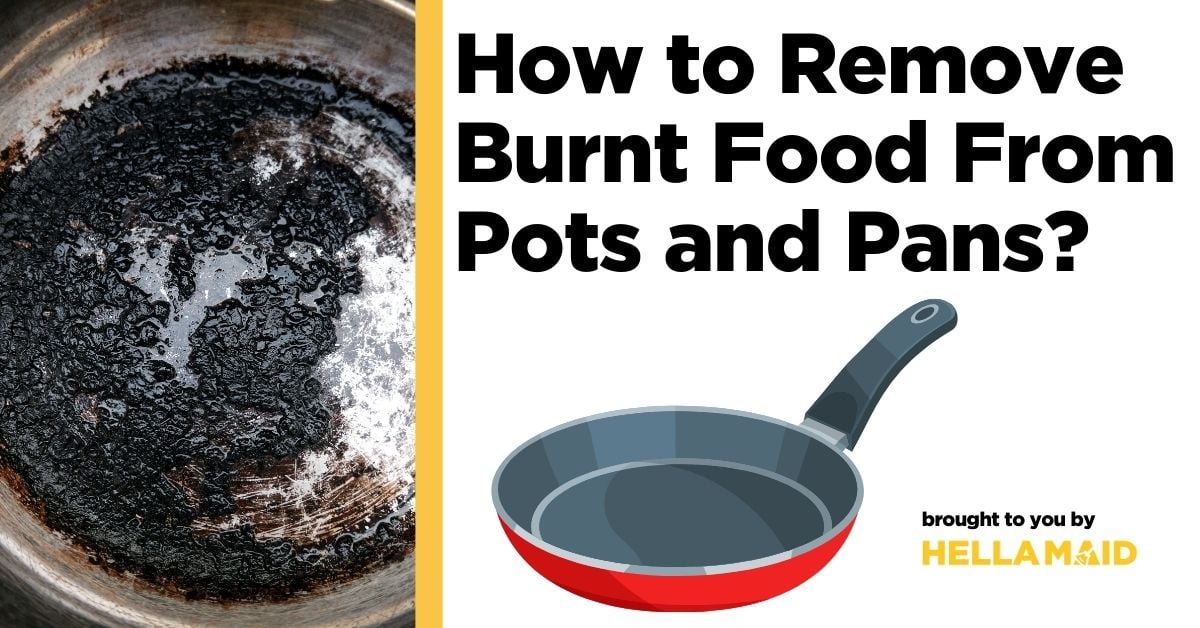
It happens to all of us. One moment, you’re cooking your favorite meal. Next, you’re staring at a blackened mess stuck to the bottom of your favorite pot. Don’t worry, burnt pots and pans aren’t the end of the world.
With the right methods, you can bring them back to life. In this guide, we’ll show you how to remove burnt food from pots and pans using simple, effective techniques. These are easy to follow and gentle enough for all types of cookware.
Understanding Why Food Burns on Cookware
Before diving into cleaning methods, it helps to understand why food sticks and burns in the first place. When food is heated in pots and pans, a chemical reaction called the Maillard reaction occurs. This reaction creates browning and develops flavor. However, when temperatures get too high or food is left unattended, this reaction goes too far, resulting in burnt food that bonds strongly to cooking surfaces.
Different materials react differently to high heat:
- Stainless steel can develop rainbow discoloration and stubborn burnt spots
- Non-stick surfaces can chip or peel when burnt food is scraped aggressively
- Cast iron may develop crusty layers that blend with the seasoning
- Copper and aluminum can discolor and even warp under extreme heat
Understanding your cookware material helps you choose the right cleaning method without causing damage.
Essential Tools and Supplies for Cleaning Burnt Cookware

Before attempting to remove burnt food, gather these helpful cleaning supplies:
- Baking soda
- White vinegar
- Salt (coarse salt works best)
- Dish soap
- Hydrogen peroxide
- Dryer sheets (surprisingly effective!)
- Non-abrasive scrubbing pads
- Wooden spatula or spoon
- Clean cloths
- Lemon juice
Many of these items are already in your home. Using household products first saves money and reduces your exposure to harsh chemicals. They’re also gentler on your cookware’s surfaces.
Step-by-Step Methods to Clean Burnt Pots and Pans
Method 1: The Vinegar and Baking Soda Solution
This classic combination works wonders on most burnt residue.
You’ll need:
- 1 cup white vinegar
- 2 tablespoons baking soda
- Water
Steps:
- Add water to cover the burnt area.
- Pour in the vinegar.
- Bring the mixture to a boil.
- Remove from heat.
- Add baking soda (it will fizz).
- Let sit for 15-20 minutes.
- Pour out the solution.
- Scrub gently with a non-abrasive pad.
- Rinse thoroughly.
This method works especially well for stainless steel and aluminum cookware. The acidic vinegar helps dissolve mineral deposits while baking soda provides gentle abrasion.
Method 2: Salt and Dish Soap Technique
Perfect for cast iron and enamel cookware.
You’ll need:
- ½ cup coarse salt
- Dish soap
- Non-abrasive sponge
Steps:
- Sprinkle salt generously over the burnt area.
- Add a small amount of dish soap.
- Create a paste with a tiny bit of water if needed.
- Use a sponge to scrub in circular motions.
- Rinse thoroughly.
- Repeat if necessary.
The salt acts as a natural abrasive without scratching your cookware’s surface.
Method 3: How to Remove Burnt Food from Pots and Pans with Boiling Water
This simple method requires minimal effort.
You’ll need:
- Water
- 2 tablespoons dish soap
Steps:
- Fill the pot or pan with water.
- Add dish soap.
- Bring to a boil.
- Let boil for 5-10 minutes.
- Remove from heat.
- Let cool until comfortable to touch.
- Pour out the water.
- Wipe with a sponge.
The boiling soapy water helps loosen burnt-on food, making it easier to remove with minimal scrubbing.
Method 4: The Dryer Sheet Soak
This unusual method works surprisingly well.
You’ll need:
- 1 dryer sheet
- Warm water
Steps:
- Place a dryer sheet in the burnt pot.
- Add warm water to cover the burnt area.
- Let soak for at least 1 hour (overnight works best).
- Remove the dryer sheet.
- Pour out the water.
- Wipe clean with a sponge.
The fabric softening agents in dryer sheets help break down burnt food particles. A study from the Journal of Food Science found that surfactants similar to those in dryer sheets can break down food proteins that cause sticking by up to 75%.
Method 5: Commercial Cleaners for Stubborn Burns
When natural methods aren’t enough, commercial products can help.
You’ll need:
- Commercial cleaner appropriate for your cookware material
- Protective gloves
- Sponge or cloth
Steps:
- Apply the cleaner according to package directions.
- Let sit for the recommended time.
- Scrub gently.
- Rinse thoroughly multiple times.
- Wash with dish soap afterward.
Always choose cleaners made specifically for your cookware type. Harsh chemicals can damage certain surfaces.
Special Considerations for Different Cookware Materials
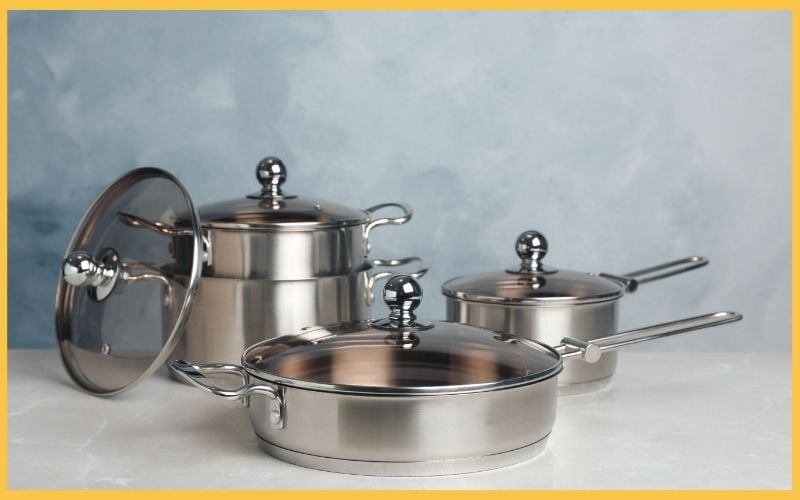
Stainless Steel Cleaning Tips
Stainless steel is durable but can discolor from high heat.
- Avoid steel wool which can scratch the surface.
- Bar Keepers Friend is highly effective for stainless steel.
- A paste of baking soda and water can remove heat stains.
- For rainbow discoloration, vinegar usually works well.
Non-stick Pan Special Care
Non-stick cookware requires gentle treatment.
- Never use metal utensils or abrasive cleaners.
- Soak with dish soap before attempting to clean.
- Replace pans if the non-stick coating is visibly damaged.
- Clean burnt food promptly to prevent permanent damage.
According to research published in the American Chemical Society’s journal, once non-stick coatings are scratched or damaged, they can release potentially harmful compounds when heated to high temperatures. Taking proper care of non-stick cookware is important for both longevity and safety.
Cast Iron Restoration Techniques
Cast iron requires unique care but can often be fully restored.
- For light burns, scrub with coarse salt.
- For serious burns, steel wool may be necessary.
- After cleaning, always re-season with oil.
- Never soak cast iron for extended periods.
Copper and Aluminum Pots Cleaning Methods
These metals require special attention.
- For copper, a paste of salt, flour, and vinegar works well.
- Lemon juice and salt can remove discoloration.
- For aluminum, an apple cider vinegar soak helps lift burns.
- Avoid harsh chemicals that can react with these metals.
Prevention Tips to Avoid Burnt Food
The best way to deal with burnt pots is to prevent burning in the first place.
- Use appropriate heat settings for your cooking task.
- Don’t leave cooking food unattended.
- Use timers to remind you when to check food.
- Choose the right pot size for your burner.
- Stir foods that tend to stick regularly while cooking.
- Add a thin layer of oil to prevent sticking.
- Invest in quality cookware that distributes heat evenly.
When to Replace Your Cookware
Sometimes, despite your best efforts, cookware may be beyond saving.
Signs it’s time for replacement:
- Warped bottoms that don’t sit flat on the burner
- Deep scratches or gouges in non-stick surfaces
- Loose handles that cannot be tightened
- Copper cookware with worn tin lining
When disposing of old cookware, check local recycling options. Many metals can be recycled rather than sent to landfills.
You might like this: How to Clean A Rusted Iron?
Conclusion
With these proven methods, you now have the knowledge to tackle even the most stubborn burnt-on food. Regular maintenance and prompt cleaning will extend the life of your cookware investment. Remember that different materials require different approaches, so always consider what your pots and pans are made of before beginning the cleaning process.
The methods outlined in this guide work for everyday cooking mishaps. They’re cost-effective, environmentally friendly, and gentle on your cookware when used correctly. A little patience goes a long way, especially with soaking methods that require minimal effort but deliver impressive results.
Leave the Scrubbing to the Pros
Burnt pots and pans taking up your time? Skip the scrubbing and let Hellamaid’s trusted cleaning professionals handle the tough messes for you.
Book your cleaning service today and enjoy a sparkling clean kitchen without the hassle!