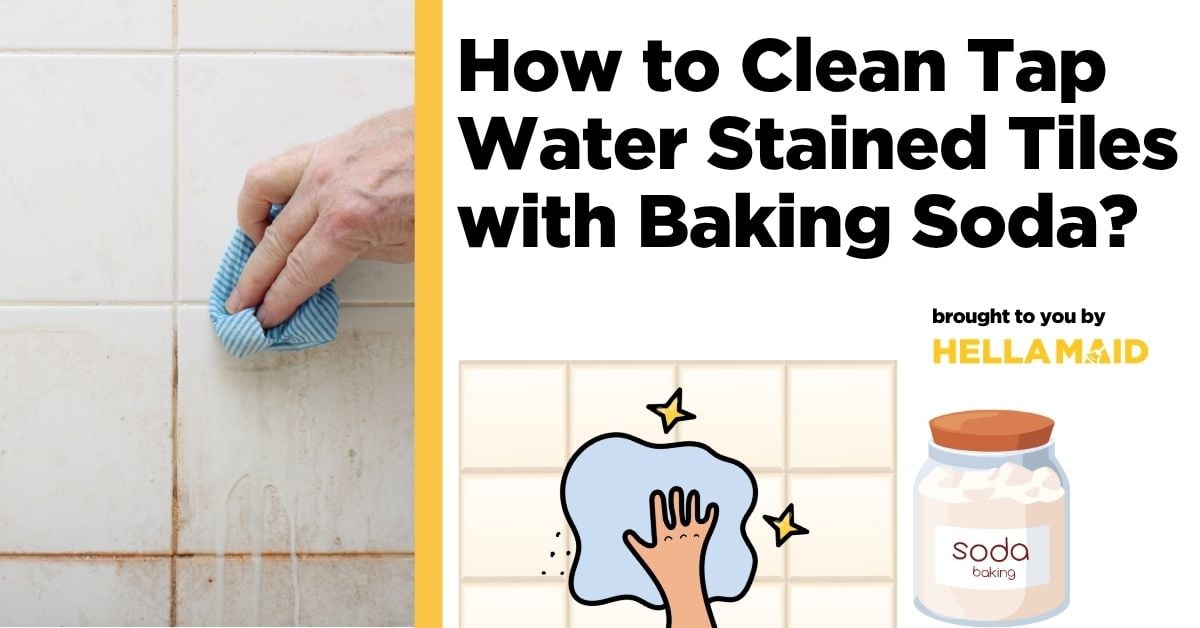
Tired of looking at those stubborn white marks on your bathroom and kitchen tiles? Those chalky residues that seem to come back no matter how much you scrub? You’re not alone in this battle against tap water stains.
Learning how to clean tap water stained tiles with baking soda can save you time, money, and frustration. This simple household ingredient is your secret weapon against those pesky mineral deposits that make your beautiful tiles look dull and grimy.
Whether you’re dealing with shower tiles, kitchen backsplashes, or bathroom floors, this guide will walk you through everything you need to know. We’ll cover why these stains appear, how baking soda works its magic, and give you a step-by-step process that actually works. By the end of this article, you’ll have sparkling clean tiles and the knowledge to keep them that way.
What Causes Tap Water Stains on Tiles?
Tap water stains on tiles are primarily caused by hard water minerals. When water evaporates from your tile surfaces, it leaves behind mineral deposits like calcium and magnesium. These minerals create those unsightly white, chalky marks that build up over time.
In Texas, this problem is particularly common since 85% of the United States deals with hard water, and most of Texas falls into the “Hard to Extremely Hard” water categories, with some areas like San Antonio having 15-20 grains per gallon. The higher the mineral content in your water, the more stubborn these stains become.
Several factors make these stains worse:
- Frequent water exposure – Showers, sinks, and areas around faucets
- Poor ventilation – Humid environments slow evaporation
- Irregular cleaning – Minerals build up in layers over time
- Water temperature – Hot water leaves more mineral deposits than cold water
The stains appear as white, gray, or yellowish marks that feel rough to the touch. On darker tiles, they’re more visible, while on lighter tiles, they create a dull, cloudy appearance. These deposits don’t just look bad, they can also make your tiles feel gritty and harbor bacteria if left untreated.
Why Baking Soda Works Wonders?

Baking soda is incredibly effective at removing tap water stains because of its unique chemical properties. As a base, baking soda dissolves organic compounds like dirt and grease, while its mineral structure provides a gentle abrasive action that cleans without leaving scratches.
Here’s what makes baking soda so special for tile cleaning:
- Alkaline nature – Neutralizes acidic mineral deposits
- Mild abrasive action – Scrubs away buildup without scratching tiles
- Safe and non-toxic – No harsh chemicals or fumes
- Cost-effective – Much cheaper than commercial cleaners
- Readily available – Found in almost every household
Unlike harsh chemical cleaners, baking soda won’t damage your tiles or grout. It’s gentle enough for daily use but powerful enough to tackle tough stains. The alkaline properties help break down the mineral bonds that make water stains so stubborn.
Baking soda also has deodorizing properties. This means it doesn’t just clean your tiles – it eliminates any musty odors that might be trapped in the mineral buildup. This dual action makes it perfect for bathroom and kitchen applications where cleanliness and freshness are important.
What Are The Cleaning Supplies You’ll Need?
Before you start cleaning, gather these simple supplies. Most of these items are probably already in your home:
Essential supplies:
- Baking soda (2-3 tablespoons)
- Water or white vinegar (small amount)
- Soft-bristled scrub brush or old toothbrush
- Clean microfiber cloths (2-3 pieces)
- Spray bottle (optional)
Optional supplies for better results:
- Rubber gloves (to protect your hands)
- Plastic scraper (for thick buildup)
- Vacuum cleaner (to remove loose debris first)
- Towels (for drying)
Step-by-Step: How to Clean Tap Water Stained Tiles with Baking Soda

Follow these detailed steps to remove those stubborn water stains effectively.
Step 1: Sprinkle baking soda on the stained area
Start by sprinkling a generous amount of baking soda directly onto the stained tiles. Don’t worry about using too much – baking soda is safe and won’t damage your tiles. Focus on areas with the heaviest buildup first.
For vertical surfaces like shower walls, you might need to work in sections. The baking soda will naturally stick better to damp surfaces, so if your tiles are completely dry, you can lightly mist them with water first.
Step 2: Add a few drops of water or vinegar to form a paste
Add just enough liquid to create a thick paste consistency. If you’re using water, add it drop by drop until you get the right texture. For tougher stains, white vinegar works better than plain water because it adds extra cleaning power.
The paste should be thick enough to stick to vertical surfaces but not so dry that it crumbles. Think of the consistency of toothpaste – that’s what you’re aiming for. Too much liquid will make the paste run off the tiles before it can work.
Step 3: Gently scrub the stains
Using your soft-bristled brush or toothbrush, gently scrub the paste into the stained areas. Work in circular motions, applying light to moderate pressure. You should see the stains starting to break down almost immediately.
Pay special attention to grout lines and corners where mineral buildup tends to be heaviest. For stubborn spots, you can add a bit more baking soda and continue scrubbing. The key is patience – let the baking soda do most of the work rather than scrubbing aggressively.
Step 4: Let it sit for 10–15 minutes
After scrubbing, let the baking soda paste sit on the tiles for 10-15 minutes. This waiting period allows the alkaline properties to continue breaking down the mineral deposits. Don’t let it sit too long though – dried baking soda can be harder to remove.
During this time, you can prepare your cleaning cloths and get ready for the next steps. If you’re cleaning a large area, work in sections so you can manage the timing better.
Step 5: Wipe with a damp cloth
Using a clean, damp microfiber cloth, wipe away the baking soda paste. Start from the top and work your way down to avoid streaking. You should see the stains lifting away with the paste.
If some stains are still visible, don’t worry – you can repeat the process. Sometimes older, heavier buildup needs a second treatment. Rinse your cloth frequently to avoid spreading the dissolved minerals around.
Step 6: Rinse and dry completely
Rinse the entire area with clean water to remove any remaining baking soda residue. Use a fresh cloth or towel to dry the tiles completely. Proper drying is crucial because it prevents new water spots from forming while your tiles are still wet.
For the best results, use a squeegee on shower walls or large tile surfaces. This removes excess water quickly and prevents streaking. Make sure to dry grout lines thoroughly since they tend to hold moisture longer.
When You Should Repeat the Process of Cleaning Your Stained Tiles?

Sometimes one treatment isn’t enough, especially for heavy mineral buildup. Here’s when you should consider repeating the cleaning process:
Immediate repeat needed:
- Stains are still clearly visible after the first treatment
- You can still feel rough texture on the tile surface
- White residue remains after thorough rinsing
Regular maintenance schedule:
- Weekly cleaning for high-use areas like showers
- Bi-weekly for kitchen backsplashes
- Monthly for less frequently used bathrooms
Signs it’s time for another deep clean:
- Water beads up instead of sheeting off tiles
- Tiles look dull even after regular cleaning
- Soap scum builds up faster than usual
For very old or thick mineral deposits, you might need to repeat the process 2-3 times. Each treatment will make the next one more effective as you break down the layers of buildup. Don’t get discouraged if it takes multiple attempts, this is normal for neglected areas.
Additional Tips for Stubborn Stains
If the baking soda alone isn’t enough, try these tricks:
-
Use lemon juice – Mix it with baking soda for extra stain-fighting power.
-
Steam the area -Steam cleaning can loosen buildup without chemicals.
-
Don’t mix vinegar with bleach -This can create toxic fumes, never combine these cleaners.
Still seeing some cloudiness? Use a vinegar soak before scrubbing again
How to Prevent Tap Water Stains in the Future?

Prevention is always easier than removal. Here are practical strategies to keep your tiles stain-free:
Daily habits:
- Wipe down tiles after each shower or use
- Use a squeegee on shower walls
- Keep bathroom fans running during and after showers
- Open windows when possible for better ventilation
Weekly maintenance:
- Quick wipe-down with a damp cloth
- Light baking soda treatment on problem areas
- Check and clean around faucets and fixtures
Monthly deep cleaning:
- Full baking soda treatment on all tiles
- Clean grout lines thoroughly
- Inspect for any new problem areas
Long-term solutions:
- Consider installing a water softener system
- Apply tile and grout sealers annually
- Upgrade bathroom ventilation if needed
- Use daily shower sprays to prevent buildup
Water quality improvements:
- Install a shower filter to reduce mineral content
- Test your water hardness and consider treatment options
- Regular maintenance of water softening systems
By following these prevention tips, you’ll spend much less time on deep cleaning and keep your tiles looking beautiful year-round.
Let Your Tiles Shine Without the Scrub!
Don’t have the time to scrub tile floors or clean bathroom walls every week? We get it. Whether you’re running a busy household or managing a commercial space in Texas, Hellamaid is here to help.
Our trusted cleaning professionals can take care of those hard-to-reach stains, so you can enjoy a spotless space without the hassle. Book your local cleaning service today and let your tiles sparkle like new!