Taking care of your mouth guard isn’t just about keeping it fresh, it’s about protecting your health, too. Whether you use it to prevent teeth grinding at night or while playing sports, keeping it clean is important. Learning how to clean a mouth guard properly helps prevent bacteria buildup, bad odor, and even infections.
If you’re like many Americans over 50 who use a night guard for sleep or dental reasons, this guide is for you. Don’t worry, cleaning a mouth guard doesn’t take much time. You just need to do it the right way.
Let’s walk through the steps to keep your mouth guard clean, safe, and long-lasting.
Why Is It Important to Clean Your Mouth Guard?
Mouth guards sit in your mouth for hours, often overnight. This means they collect:
- Saliva
- Bacteria
- Food particles
If not cleaned regularly, this buildup can lead to bad breath, oral infections, or even throat irritation.
A study published by the National Library of Medicine found that used mouth guards can harbor harmful microorganisms such as Streptococcus and Staphylococcus.
That’s why a clean mouth guard is more than just a habit, it’s a part of your overall health routine.
What Are The Risks of Not Cleaning Your Mouth Guard?
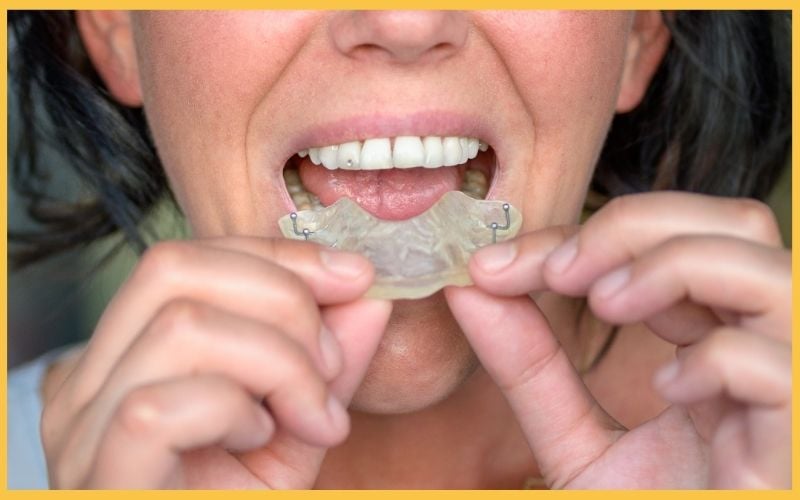
Not cleaning your mouth guard can lead to several problems, including:
- Foul odor or bad taste: This happens when bacteria begin to grow on the guard.
- Mouth infections or gum irritation: A dirty mouth guard may increase the risk of gum disease or oral yeast infections.
- Shorter lifespan of the mouth guard: Bacteria and debris can wear down the material faster.
- Harm to overall oral health: Dirty guards can reintroduce bacteria back into the mouth, especially after brushing.
Just like other common household items that need regular cleaning, your mouth guard deserves attention too.
How to Clean a Mouth Guard (Daily and Weekly)
To keep your mouth guard in great shape, you need both daily and weekly care. Here’s how to do both.
Daily Cleaning Routine
This takes just a few minutes each day:
- Rinse it under cool water as soon as you remove it.
- Use a soft toothbrush (not the one you use for your teeth) and mild soap.
- Gently scrub all surfaces to remove saliva and debris.
Rinse thoroughly with water. - Place the mouth guard on a clean towel and let it air dry completely.
- Store in a ventilated case after it’s fully dry.
Avoid storing it while it’s wet. That’s how mold can grow.
Weekly Deep Cleaning Routine
Once a week, give your mouth guard a deeper clean.
You can use:
- Denture cleaning tablets dissolved in warm water
- A mix of equal parts white vinegar and water
- A solution of hydrogen peroxide and water (50/50)
Soak your mouth guard in the solution for 10–15 minutes, then rinse it well. Let it dry completely before storing.
Do not use hot water. It can warp the material.
💡 Pro Tip: Avoid using toothpaste. Many types have abrasive particles that can scratch the surface of your guard.
Helpful Related Blog: How to Create a Cleaning Schedule for Your Home?
What to Avoid When Cleaning a Mouth Guard?
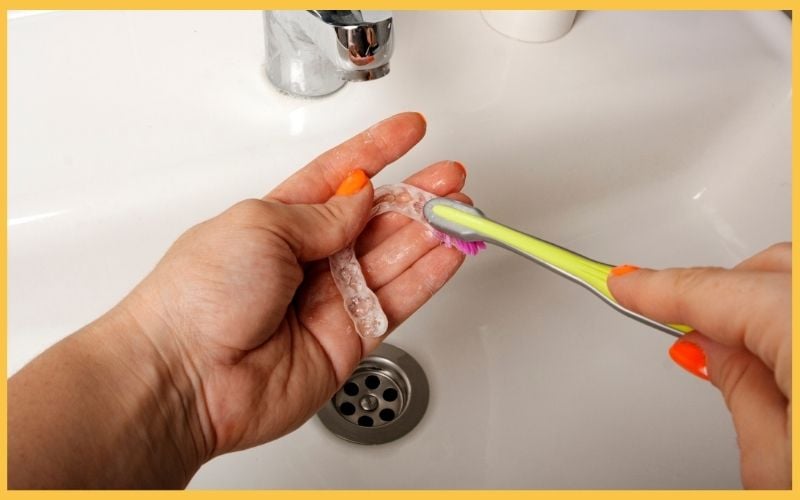
Here are things you should never use when cleaning:
- Hot water (causes warping)
- Alcohol-based rinses
- Bleach or other harsh chemicals
- Toothpaste with baking soda or gritty texture
These can damage the guard, reduce its effectiveness, or leave behind harmful residue.
How Often Should You Replace Your Mouth Guard?
A well-cared-for mouth guard can last 6 months to 2 years, depending on its use and material.
Replace your mouth guard if you notice:
- Cracks or splits
- Yellowing or discoloration
- A bad smell that doesn’t go away
- A change in fit or comfort
Additionally, a custom-made mouth guard may last longer, but it should still be evaluated regularly by your dentist.
Best Storage Practices After Cleaning
Proper storage prevents mold, bacteria, and warping.
- Always dry your mouth guard completely before storing it.
- Use a ventilated container that allows airflow.
- Keep the case clean, too. Wash it with mild soap weekly.
- Avoid leaving it in a hot car or direct sunlight.
It’s also a good idea to store your mouth guard away from pets and young children. Dogs, in particular, may chew on it if left out.
If you use your mouth guard occasionally, check it monthly for any signs of wear or mold. A quick look can save you from using a damaged or unhealthy guard.
Remember to think of your mouth guard like your toothbrush, it deserves a clean and dry home.
Also Read: How to Properly Clean Toothbrush Holder?
When to Talk to a Dentist or Specialist
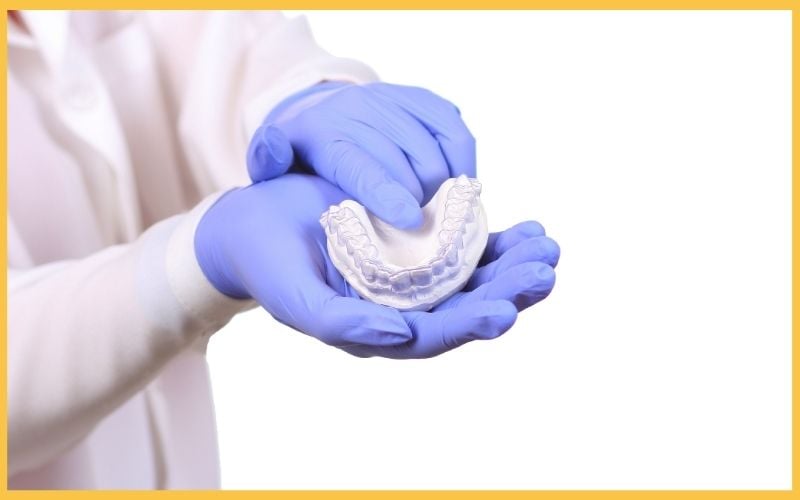
You should seek professional advice if:
- Your mouth guard has a persistent odor or buildup
- It no longer fits properly
- You experience irritation after wearing it
Custom mouth guards may need professional cleaning or adjustment. Your dentist can guide you on care based on your specific needs.
Quick Answers About Mouth Guard Cleaning
Can I use toothpaste to clean my mouth guard?
It’s not recommended. Toothpaste can scratch and damage the surface over time.
Is vinegar safe for cleaning?
Yes. White vinegar mixed with water is a safe and natural option for deep cleaning.
How do I clean a night guard naturally?
Use a mix of water and vinegar or baking soda. Always rinse well and let it dry fully.
Conclusion
A clean mouth guard not only keeps your breath fresh, but it also protects your oral health. Regular cleaning prevents bacteria buildup, bad odors, and damage to the guard. By following the daily and weekly cleaning routines, you can extend the life of your mouth guard and keep it in good condition.
Remember, cleaning your mouth guard is simple and doesn’t take much time. Just a little care every day goes a long way. So, make it a habit and enjoy a healthier, cleaner mouth guard!
Need Help Keeping Your Space and Essentials Clean?
Taking care of your home includes the little things, like knowing how to clean a mouth guard. When life gets busy, Hellamaid is here to help with the big cleaning tasks.
Whether it’s your home, office, or rental space, our professional cleaning services are just a click away!