Whether you’re preparing for seasonal cleaning, hosting guests, or just craving a spotless home, deep cleaning is the best way to remove hidden dirt and allergens. A thorough cleaning goes beyond regular tidying, it eliminates buildup, freshens your living space, and improves indoor air quality.
This Austin’s Deep Cleaning Guide outlines 7 powerful steps to refresh every corner of your home, restore cleanliness, and maintain a healthier environment.
1. Declutter First to Make Cleaning Easier

Before starting your deep cleaning routine, decluttering will make the process faster and more effective. Clutter collects dust, dirt, and bacteria, making it harder to achieve a truly clean space.
Decluttering Checklist:
- Sort items into “keep,” “donate,” or “discard” piles.
- Remove unnecessary papers, expired products, and old clothes.
- Organize cabinets, closets, and storage spaces.
- Use storage bins or organizers to keep things tidy.
Pro Tip: Start with one room at a time to avoid feeling overwhelmed.
Once the clutter is gone, Austin’s Deep Cleaning Guide becomes much easier to follow!
2. Tackle Dust and Allergens First
Dust accumulates on surfaces, air vents, and furniture, leading to allergies, respiratory issues, and an unclean home feel.
How to Remove Dust Effectively?
- Dust from top to bottom (ceiling fans → furniture → floors).
- Use a microfiber cloth to trap dust instead of spreading it.
- Clean air vents and HVAC filters to improve indoor air quality.
- Vacuum under furniture and rugs to remove hidden debris.
Pro Tip: If you suffer from allergies, wear a dust mask while deep cleaning!
Dusting is a key step in this Austin’s Deep Cleaning Guide, it ensures a fresh and breathable home.
3. Deep Clean Floors for a Fresh Start
Your floors collect the most dirt, bacteria, and pet dander, making them one of the most important areas to deep clean.
Best Deep Cleaning Methods for Each Flooring Type:
- Hardwood Floors: Mop with a gentle wood cleaner.
- Tile Floors: Scrub grout lines to remove buildup.
- Carpets: Use a steam cleaner to eliminate odors and bacteria.
- Laminate Floors: Mop with a mild, non-abrasive cleaner.
Pro Tip: Use baking soda on carpets before vacuuming to absorb odors.
Floor cleaning is a major focus in Austin’s Deep Cleaning Guide, ensuring your home feels brand new from the ground up.
4. Refresh the Kitchen: Remove Grease & Bacteria

Kitchens are one of the dirtiest areas in any home, harboring grease, food particles, and bacteria.
Deep Cleaning Steps for Your Kitchen:
- Wipe down all surfaces, including counters, cabinets, and appliances.
- Scrub the sink and garbage disposal to eliminate bacteria.
- Clean the inside of your fridge, discarding expired food.
- Degrease your stovetop, oven, and microwave.
Pro Tip: Use a lemon and baking soda mix to naturally deodorize your garbage disposal.
A deep-cleaned kitchen not only looks better but also keeps your food preparation area safe.
5. Sanitize the Bathroom for a Sparkling Finish
Bathrooms need extra attention during deep cleaning due to moisture buildup and bacteria growth.
How to Deep Clean Your Bathroom?
- Scrub the toilet, sink, and bathtub with disinfectant.
- Remove mold and mildew from tiles and grout.
- Polish mirrors, faucets, and fixtures.
- Wash shower curtains and bathmats.
Pro Tip: Use white vinegar and baking soda to remove stubborn limescale from showerheads.
This Austin’s Deep Cleaning Guide ensures your bathroom looks and smells fresh after every deep clean!
6. Wash and Refresh Soft Furnishings
Your couches, curtains, and bedding absorb odors, dust, and bacteria. Deep cleaning of these items removes allergens and keeps your home smelling fresh.
How to Refresh Soft Furnishings?
- Vacuum upholstery and mattresses to remove dust mites.
- Wash pillowcases, curtains, and blankets.
- Use a fabric refresher or steam cleaner for added freshness.
Pro Tip: Sprinkle baking soda on upholstery before vacuuming to eliminate pet and smoke odors.
In Austin’s Deep Cleaning Guide, refreshing soft furnishings complete the deep cleaning process.
7. Maintain Clean Air with an Air Purifier
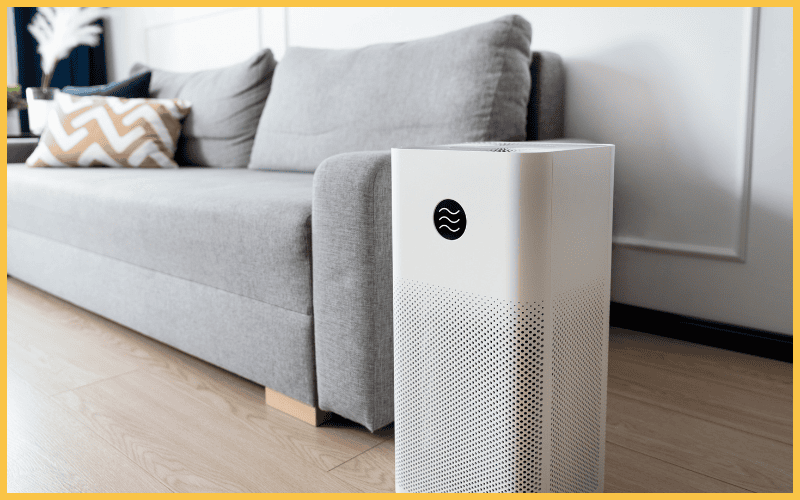
Indoor air quality affects your health and home environment. After deep cleaning, keep your air fresh by removing pollutants and allergens.
How to Improve Indoor Air Quality?
- Use an air purifier with a HEPA filter.
- Open windows for better ventilation.
- Replace HVAC filters regularly.
- Add indoor plants to naturally filter the air.
Pro Tip: Activated charcoal absorbs odors and toxins, keeping your home smelling fresh!
A clean home isn’t just about surfaces, Austin’s Deep Cleaning Guide ensures your air is fresh, too.
Final Thoughts
By following Austin’s Deep Cleaning Guide, you’ll transform your home into a fresh, spotless, and inviting space. These 7 powerful steps help eliminate dust, refresh every room, and maintain a healthier environment.
For a hassle-free deep cleaning experience, consider booking a professional cleaning service with Hellamaid today!